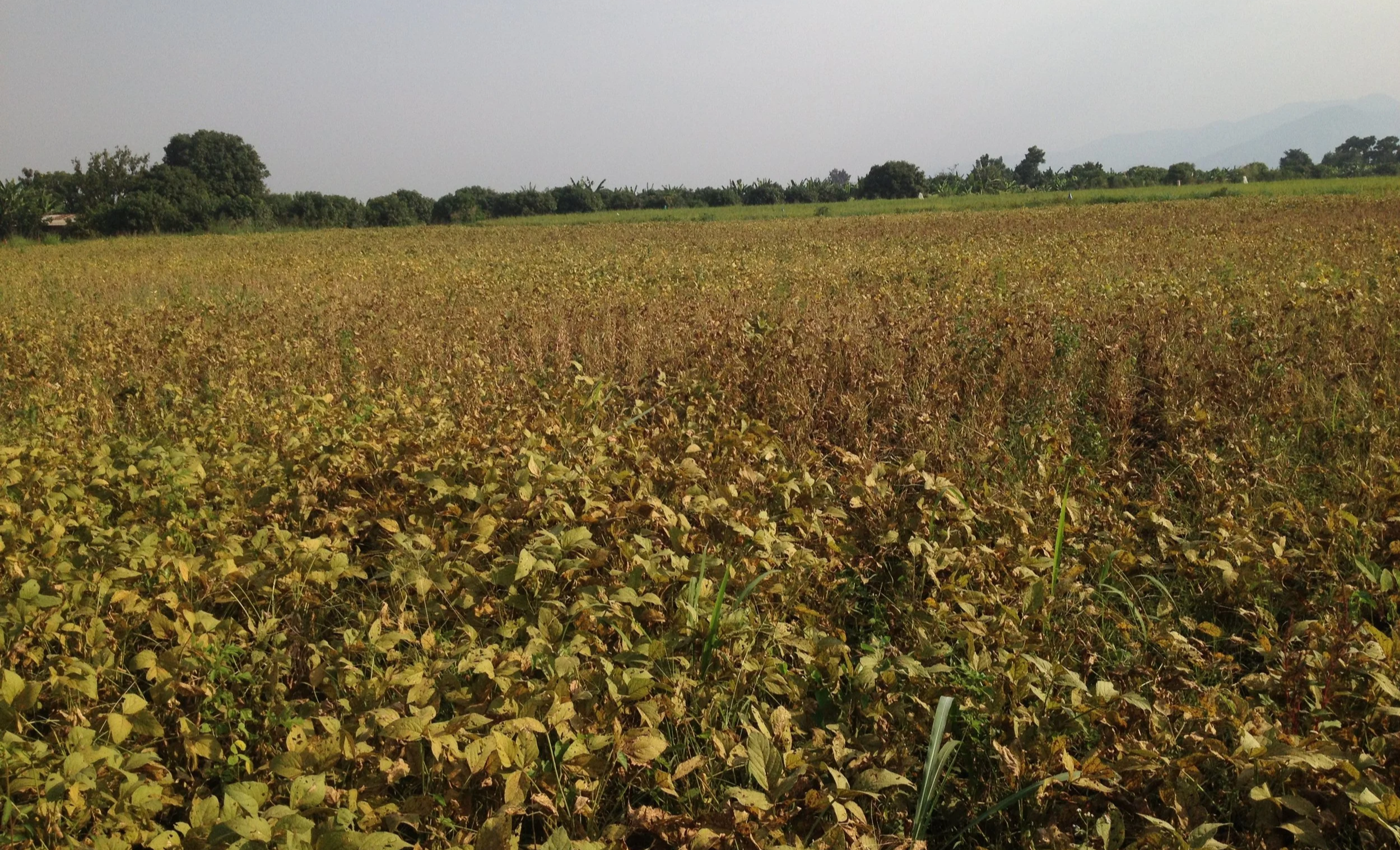
CHANGING THE LANDSCAPE
Two Labs. One Mission.

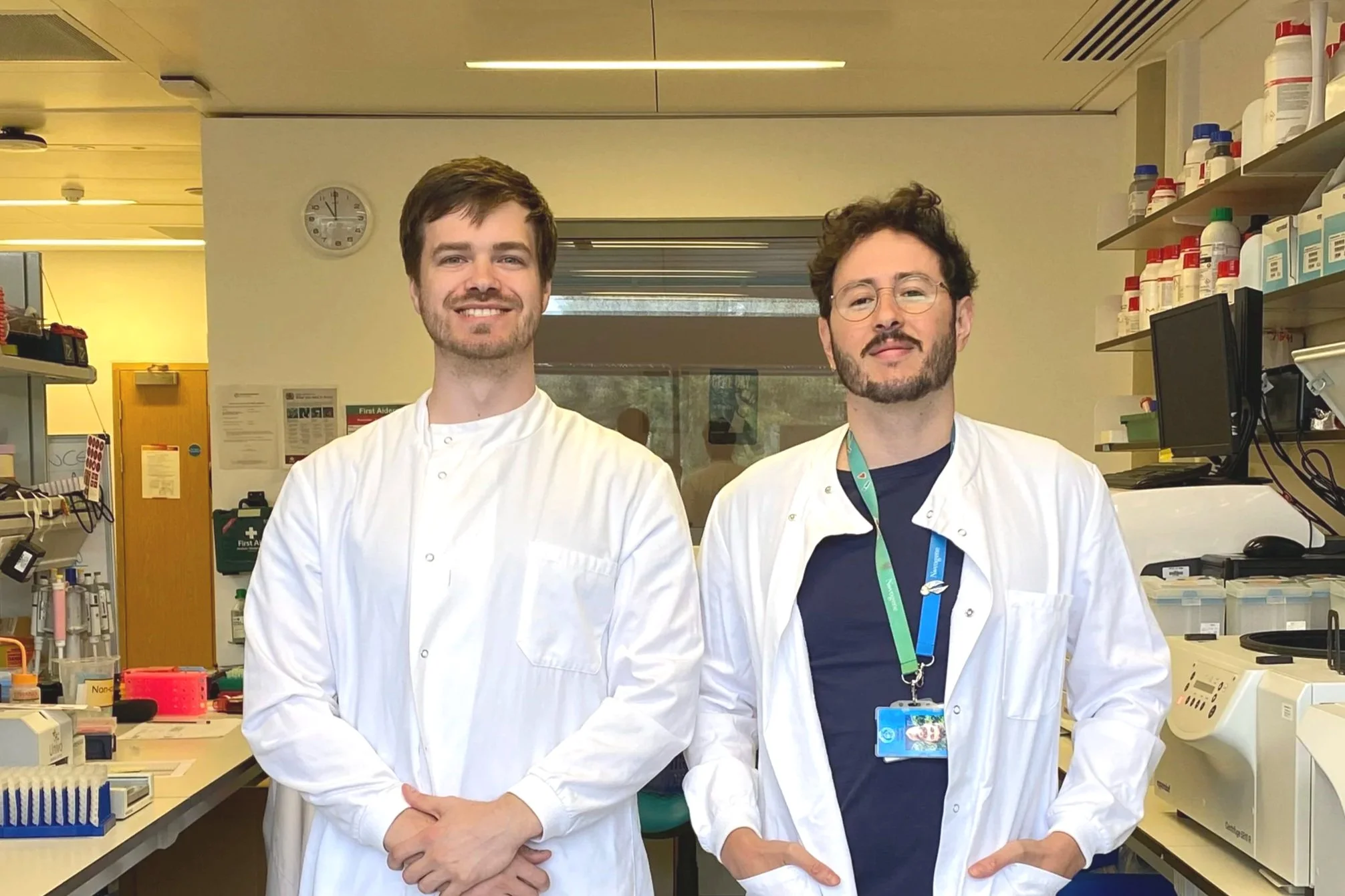
2Blades Group @ The Sainsbury Laboratory
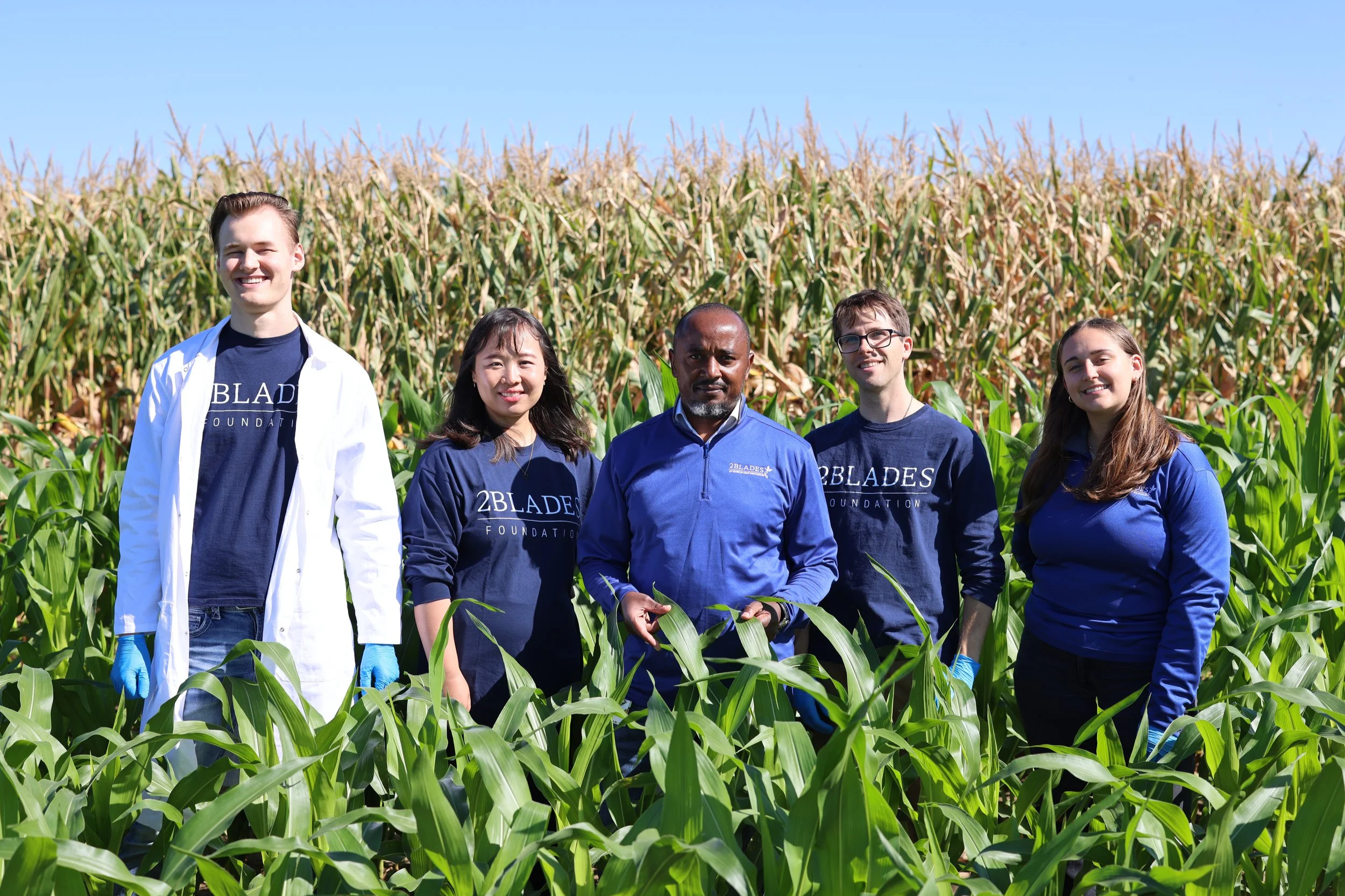
2Blades Group @ The University of Minnesota - St. Paul
Right now, somewhere in the world, a farmer is losing their harvest to disease, because a pathogen — something invisible they could not control — spread through their field.
As environmental conditions change, diseases are moving, adapting, and overcoming the defenses we’ve relied on.
But, it doesn’t have to be this way. Science can help us to get ahead — and stay ahead — of pathogens.
At 2Blades, our mission is to advance cutting-edge scientific discoveries into demonstrated resistance in the field and make crops stronger to pre-harvest threats.
We are a non-profit, agbiotech company, with laboratories hosted at The Sainsbury Laboratory in Norwich, UK, and the University of Minnesota in St. Paul, MN. By embedding a product-oriented, non-profit company within these world-leading research enterprises, we bridge cutting edge discoveries with greater impact from science — driving forward a rich exchange of know-how and resources into market-led improvements in agriculture.
One Mission. Two Markets.
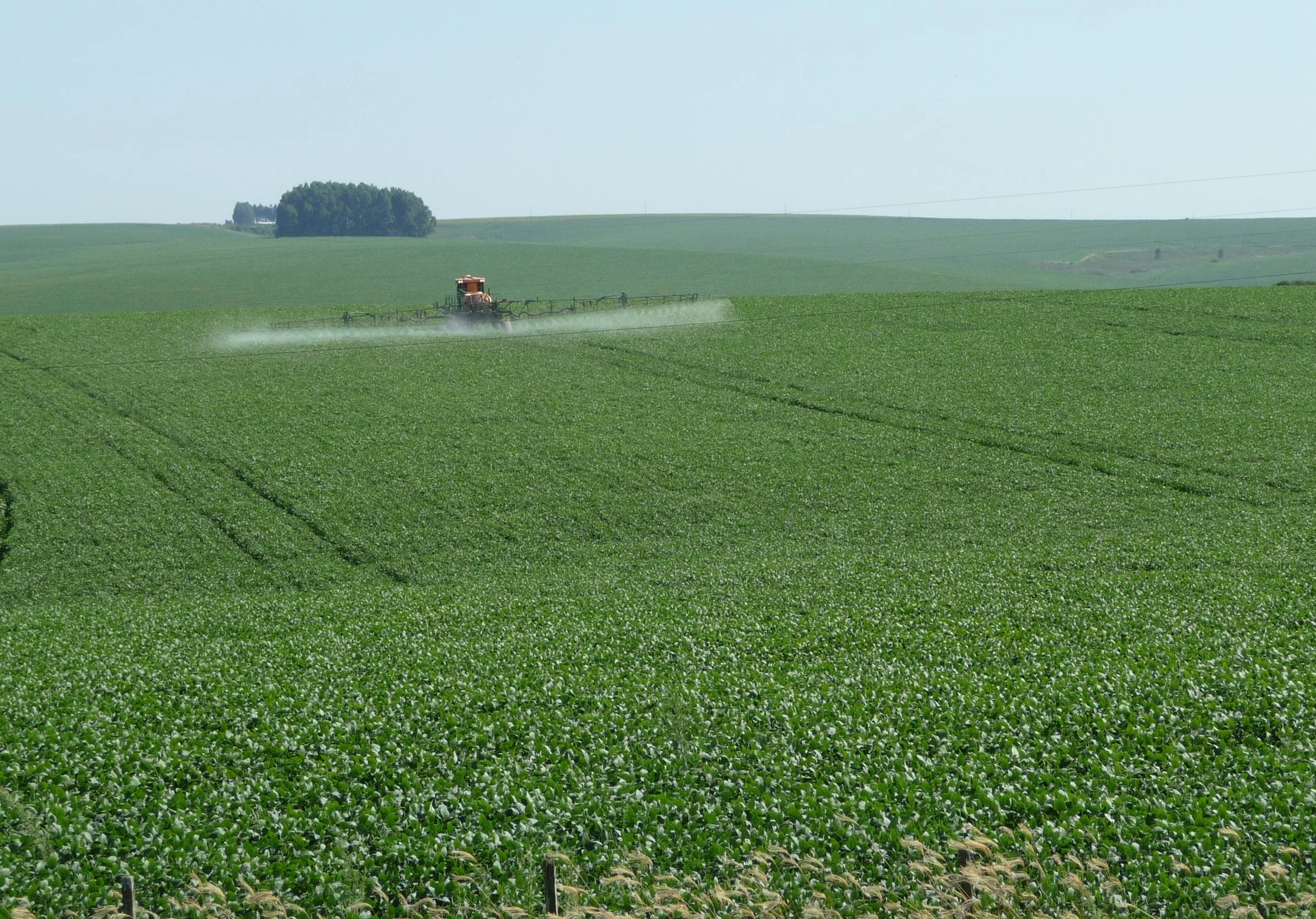
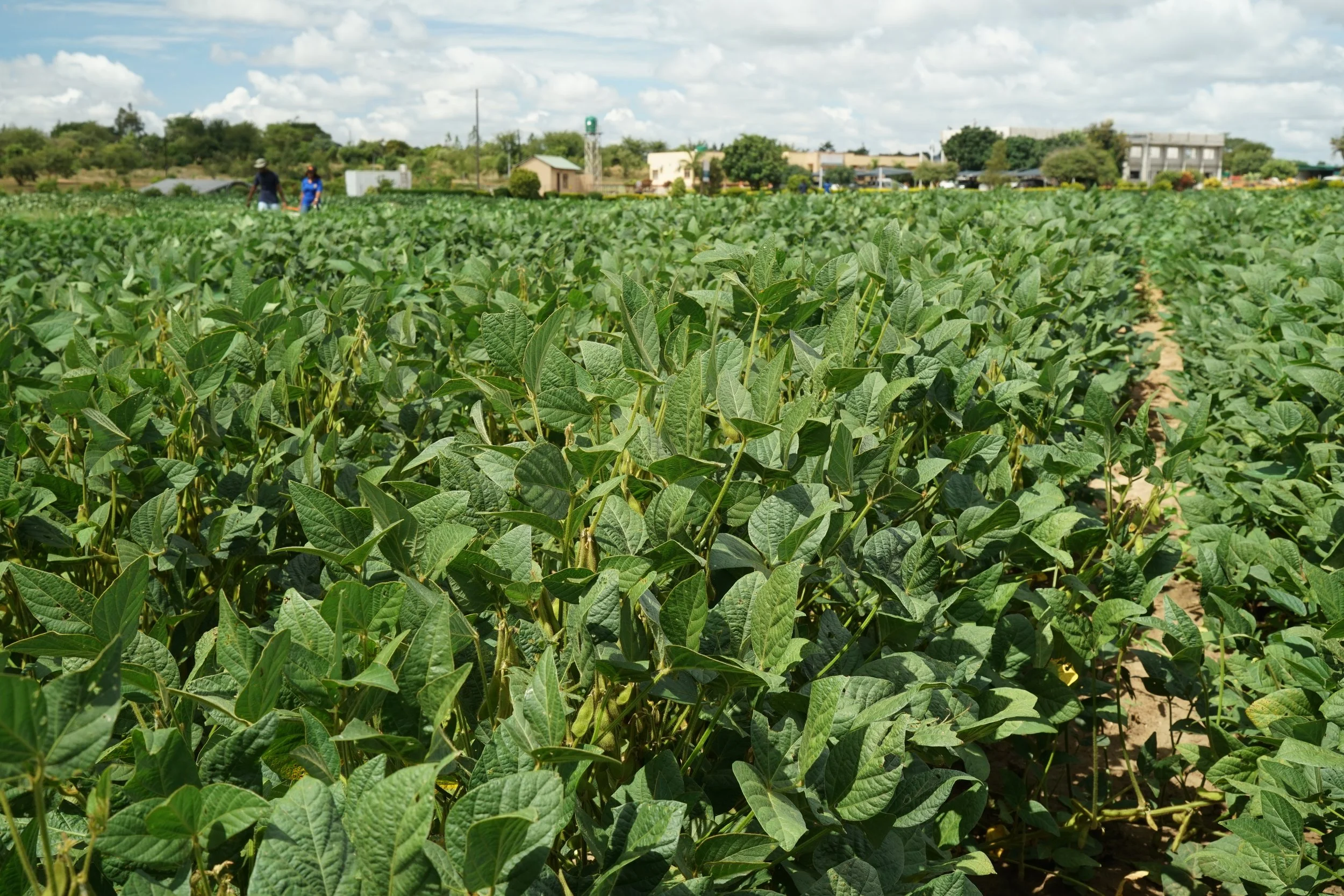
Commercial farm in Brazil
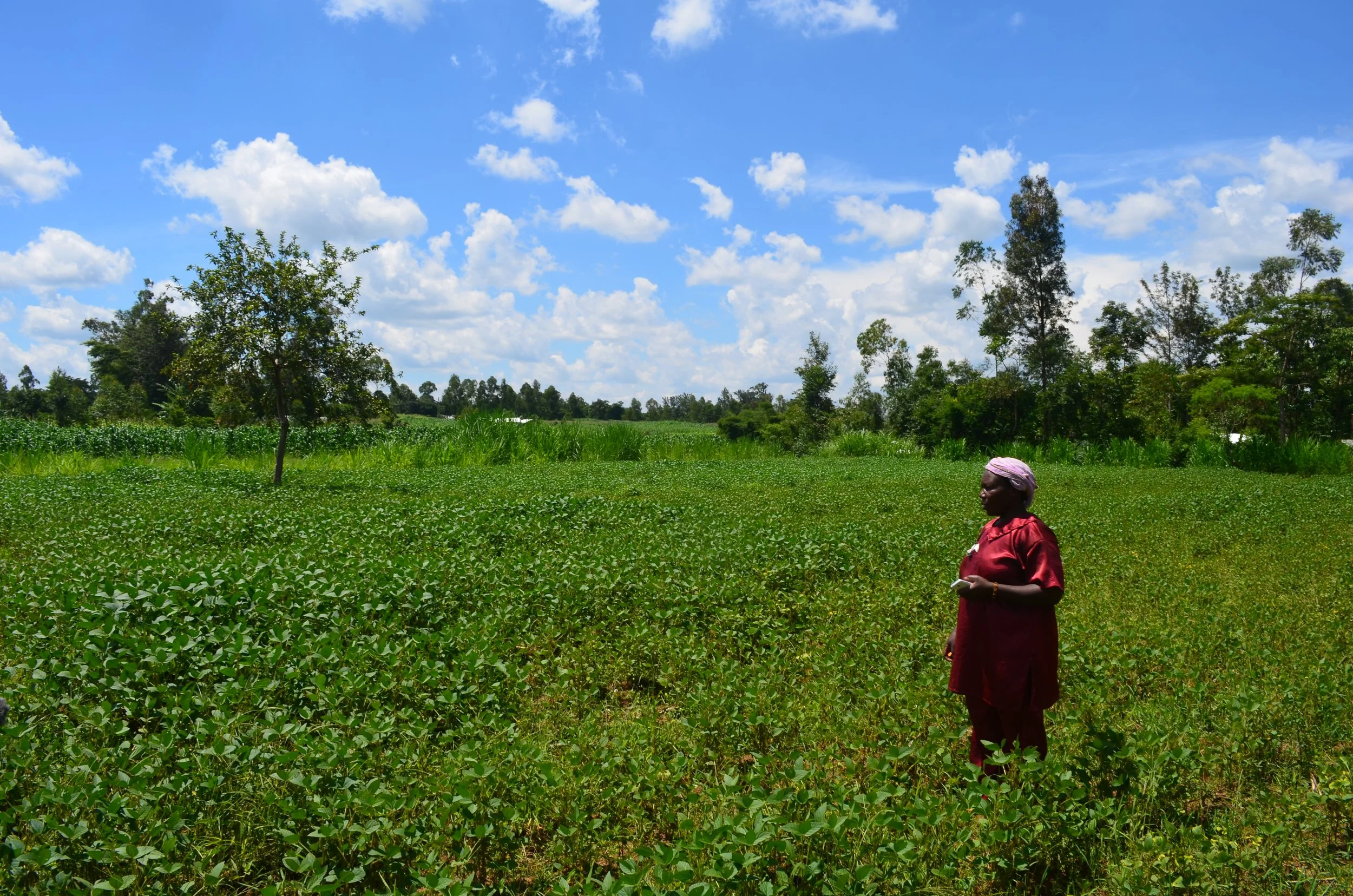
Smallholder farm in Kenya
2Blades uses a dual-market business model:
We deliver market-led traits into the pipelines of major seed companies, where these innovations will reach farmers across millions of acres worldwide.
And more importantly, we ensure those same advances reach small-holder farmers in food-insecure regions, where innovation is needed most, because crop loss there means hunger—not just lost income.
Through strong partnerships with companies, foundations, and international agricultural development organizations along the Agricultural Innovation Chain, we optimize public-private resources to deliver sustainable outcomes for all farmers.
We have achieved effective resistance against some of the most devastating and intractable pathogens of soybean, potato, wheat, corn, and other crops.
Our unique structure advances agricultural innovations, and our dual-market model boosts their adoption at scale and where they are needed most.
Our Activities
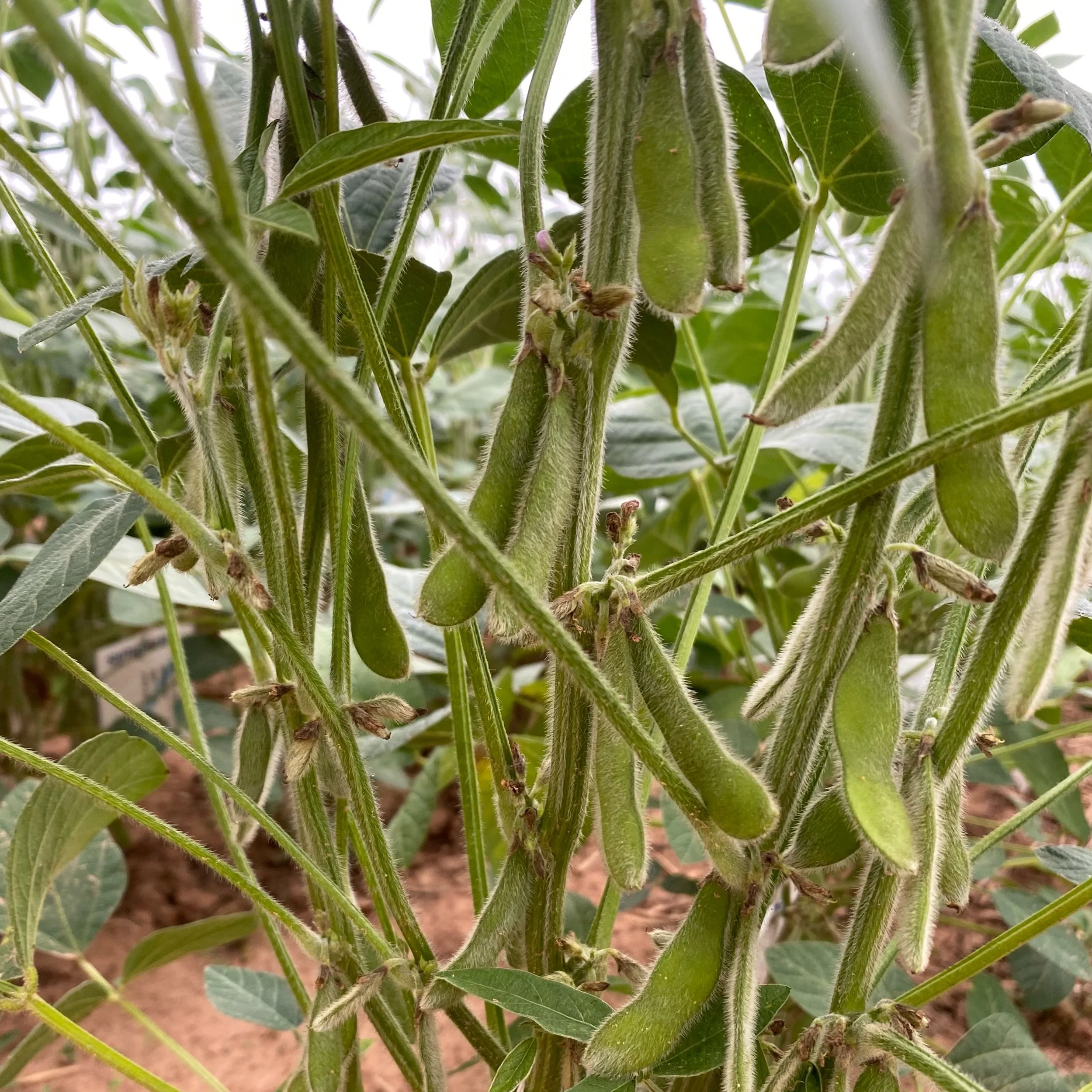
Soybean

Corn

Potato

Gene Discovery

Gene Editing

Leadership Training